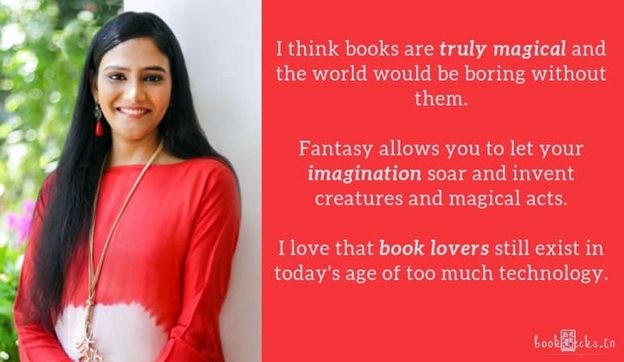
Interview with Rewa, Author of Tales of Panchvati
In this author interview, Rewa discusses her debut children’s book, Panchvati, exploring Jaipur’s influence, storytelling, animal characters, cultural roots and the magic of writing for children.on Oct 28, 2026
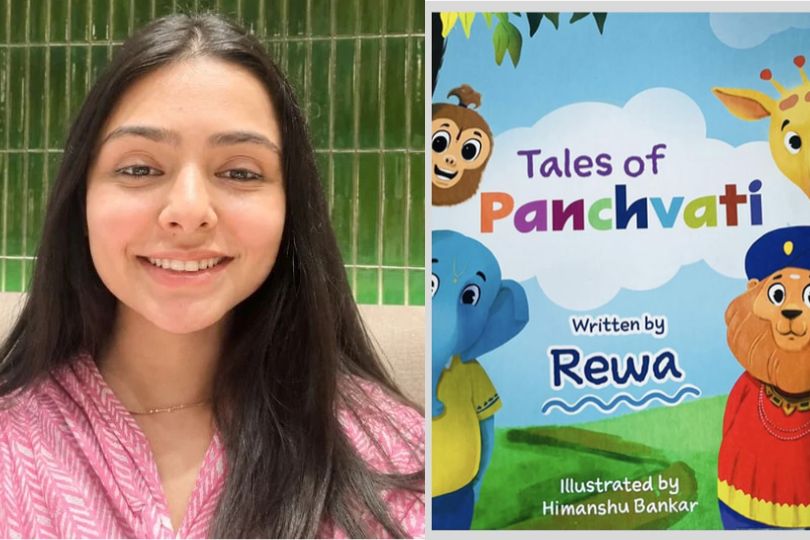
Frontlist: Jaipur clearly left its mark on you - from art and tradition to the taste of ghevar. Looking back, which specific childhood memory from Jaipur do you feel shaped the storyteller you've become?
Rewa: Sometimes you realise the value of something only when it’s taken away from you. So when I moved to Bombay 7 years ago, I realised how much of Jaipur is in me no matter where I go. In the way I think, in the food I like, in the festivals, in just everything. Jaipur is like a part of my DNA. We love our festivals, we embrace our heat, which I think is reflected in our attitude also sometimes, tough exterior but so much depth and love and colours inside. I mean, imagine being born and raised in a city which is there on people’s wishlist. They come to vacation here, we live here or have lived here in the past like me. What can be a bigger privilege than that? I got lucky Jaipur chose me. It’s an artist’s paradise, there is inspiration everywhere. You don’t even have to try. We have grown up around monkeys mischievously stealing fruits from the fridge in summer. Isn’t that fascinating for people who have to literally visit a zoo to see a monkey? There are so many such instances but one particular reason why I started writing is when my senior from school published her first novel while she was still in 9th or 10th std maybe. That was the first time I felt, I want to do this too. Obviously a little later than the timeline I had In mind but better late than never I guess.
Frontlist: You made the leap from freelance content writing to published children's author. What was the biggest mindset shift between writing content for clients and writing a story purely from your own imagination?
Rewa: When I write content for clients, there is obviously a brief. I try to step into the brand’s shoes to understand their design language, their ethos, what are they really aiming for here with their content. So it’s a little technical, but stories make you travel far and wide. There’s no full stop. You’re your own boss. If you want your lion to eat Thai curry, it will eat Thai curry. There’s no right or wrong. It can be whatever colour you like, whatever design you like and in whatever form you like. You just have to believe in your mad dreams, then the world sees it the way you do. A beautiful story.
Frontlist: Your book is set in Panchvati, a name steeped in mythological resonance. What drew you to this particular setting, and how did you reimagine it as a world for young readers?
Rewa: Panchvati just happened in one of those daydreaming sessions that us writers have. I had heard and read about Panchvati back in school in context to Ramayan of course. As a kid, I would often wonder how life was there before it became the panchvati we all know it for. That childhood fascination lead to my imagination going far and wide.,And before I could understand, one thing led to another and there was one full jungle in my head waiting to explode in stories.
Frontlist: You've said your inspiration comes from "stories that often remain unnoticed." Can you walk us through a real, everyday moment that eventually found its way into the world of your book?
Rewa: Without revealing too much about the story, I can just tell you that growing up in Jaipur meant growing up around monkeys also. They are a regular visitor, especially during summers. The mischiefs they would pull became an inspiration for one of the stories in the book, which if you will read, you will understand.
So go quickly and buy.
Frontlist: Writing for children comes with a unique responsibility - balancing magic with meaning. How did you approach weaving values like friendship and kindness into the story without it feeling like a lesson?
Rewa: I have a kid now. When I started writing this, I was pregnant with him. It makes you think what you want the child to be, but you also pause and ask yourself if you’re the person you want your child to become. So the me-first formula works for me this way. If I can’t practice it, I can’t expect him to follow it too. When I write, I write keeping this in mind.
Magic has no meaning, no logic, that’s why it is amusing, na. Stories for children are also like that, I feel, unreal, magical and absolutely amusing. As adults, we know it’s not real, but we badly wish it was. When I started writing for kids, I realised we overthink, overanalyse and complicate everything. Children aren’t like that. They are simple. They find joy in things we overlook, they draw shapes in clouds, they talk to animals like they understand them. And who knows, they may also. So it’s just about resetting your mind like you update your phone software sometimes. So from flight mode to child mode is all it takes to weave magic.
Frontlist: As someone who identifies as "a millennial at heart," how do you think that generational lens influences the way you tell traditional, culture-rooted stories to today's children?
Rewa: Millennial, yes, but honestly, there’s so much to learn from Gen Z. I love how they prioritise mental health, how wonderfully they balance work and personal life, and how unabashed they are about choosing themselves. So the whole act of balancing it all, Gen Z does it beautifully. I am so drawn towards their approach to certain things, spirituality, for example.
Who would have thought that bhajan clubbing would become a thing? To continue what matters without losing your individuality, that’s something I picked up from them. They want to know the why behind it, which I think is great. For example some of the stories we have grown up reading weren’t really in sync with some of the values we would have wanted them to be. Now that we are old enough to understand, we can actually look back and reassses the whole story from a completely different lense. With panchvati, I have attempted to make stories with morals but in fun way.
Frontlist: Jaipur shaped your roots, but Mumbai is where you built your career. How has this journey between the two cities influenced the emotional tone or pace of your writing?
Rewa: Mumbai wasn’t love at first sight for me, honestly. I have taken time to accept it while it is still accepting me. It pushes you first, then picks you up gently to nudge you again. It breaks you, but only because it wants the best for you. This city is a teacher. All I am trying is to become its favourite student. One day at a time. The experiences it gave me became a part of me. How Jaipur is my DNA, Mumbai is probably my blood. If it makes sense biologically. Stories are after all real instances just happening to different people. Everyone we meet, everywhere we go become a part of our story.
Frontlist: Were there any particular animals or characters from Panchvati that were the hardest to write - either because you loved them too much or because their personalities kept changing as the story evolved?
Rewa: Turtle was tricky for me initially. To see it from a lens outside the rabbit and turtle story we have all grown up reading was tricky, but I hope my readers are pleasantly surprised by his new avatar.
Frontlist: You dream of adopting an elephant someday. Did your love for animals influence the world of Panchvati, and can readers expect that affection to show up in the characters?
Rewa: Oh yes, absolutely. I love them, which is why they have all undergone a sort of personality makeover.
Frontlist: For a debut children's author, what has surprised you most about the publishing process - and what advice would you give someone sitting on a story idea but hesitant to start?
Rewa: I remember asking this question to Durjoy Dutta in one of his book signing events, and all he told me was, just write, just start. That’s all I can say as well. Start writing, finish that thought that runs in your head, type it right away. Everything else is step 2, 3, 4. Do the step 1 at least. Oh, and writing is not equal to selling. That’s a different ballgame altogether, but do what you know best, rest will follow, whether for good or not. Either way, like they say in Hindi—kuch na bhi hoga toh tajurba hoga.
Post a comment
0 comments

Trending Posts






Recent Post



Related Post

 (1).jpg)


© 2026 - Frontlist - News and Updates of Publishing Industry, Book Reviews, Education News, Author Interviews, and Videos.. All Rights Reserved.
Sorry! No comment found for this post.